90th Anniversary of
Montgomery Clift's birth


90º Aniversario del nacimiento de Montgomery Clift (1920-2010)

aaaaa TODA LA INFORMACIÓN SOBRE EL ACTOR MONTGOMERY CLIFT EN ESPAÑOL aaaaa

For non-Spanish speakers:

You can translate this blog using Google translator widget. And you can always comment in your language, of course!

Yellow texts are in English

montgomery clift
montgomery clift
Mostrando entradas con la etiqueta filmes. Mostrar todas las entradas

7.8.10

Freud, pasión secreta.- sale a la venta en Dvd

Aunque en Internet se podía comprar desde hace tiempo, ahora está en las tiendas (Fnac y grandes almacenes), esta película de Montgomery Clift.

Debo confesar una cosa, inédita para mí, me dio una alegría encontrármela de casualidad. Hasta la fecha tengo 12 películas suyas compradas en dvd y el resto grabadas.

24.4.10

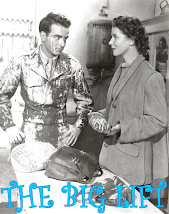
The Big Lift (1950).- Ficha


FICHA TÉCNICA

Título doblado:
Sitiados

Año: 1950

Director: George Seaton
Guión original: George Seaton

Música: Alfred Newman
Vestuario: Bobbie Brox
Fotografía: Charles C. Clarke
Efectos fotográficos especiales: Fred Sersen
Montaje: Robert Simpson y William Reynolds
Ingenieros de sonido: Charles Hisserich y Roger Heman.
Dirección artística: Lyle R. Wheelery Russell Spencer.
Orquestaciones: Edward Powell
Producción: William Perlberg

País: EE.UU.
Distribuida por: Twenty Century Fox
Duración: 120 minutos
Género: Bélica (II Guerra Mundial)
Blanco y Negro
Rodada en Frankurt
Otras localizaciones: base aeronaval de Tempelhof (Berlín Oeste), Azores (Portugal), Berlín, base aérea de Rhein-Main (Frankfurt), Schofield Barracks, Wilkina Drive, O'ahu (Hawaii), interiores rodados en los Estudios Ufa (Berlín).

Estreno: 26 de abril de 1950

1 Nominación a los Globos de Oro


REPARTO

Montgomery Clift ............................ Sargento de 1ª clase Danny MacCullough
Paul Douglas ...................................... Sargento Henry 'Hank' Kowalski
Cornell Borchers ........................... Frederica Burkhardt

Brunie Löbel .................................................................. Gerda
O.E. Hasse ...................................................................... Stieber
Danny Davenport .......................................................... recluta
Fritz Nichlisch ................................................................ Gunther

Interpretándose a sí mismos:

Capitán Dante V. Morel, capitán John Mason, capitán Gail Plush, capitán Mack Blevins, mayor R.L. Heltzl, capitán William A. Stewart, teniente Alfred L. Freidburger, teniente Gerald Arons, teniente James Wilson, teniente Richard A. Kellogg, teniente Roy R. Steele, sargento James H. Blankenship, sargento Harold E. Bamford, sargento D.R. Simmons, sargento O.B. Schultz, sargento Andrew Shamless, sargento Elmer Garret, sargento Billy Pierson, sargento Herman Dornbush, cabo Donald R. Neil, soldado William L. Davenport, soldado William J. Hardiman,, corresponsal de la Ap Richard O'Malley, corresponsal de la Abc Lyford Moore.


Curiosidades:

The film was made in occupied Germany. All scenes were photographed in the real locations associated with the story, including episodes in the American, French, British and Russian sectors of Berlin.

With the exception of Montgomery Clift and Paul Douglas, all military personnel in the film were actual members of the US military on duty in Germany at the time.

Associated Press correspondent Richard O'Malley and ABC News correspondent Lyford Moore play themselves in the film.

All the US officers appearing in the movie kept their actual rank except one, John R. Mason, who was "demoted" to the rank of sergeant for the story.

During the filming, they would get waivers signed by those who were in a shot and they thought would be in the finished film and paid them $500. Some men appeared but were never paid and some who were paid had their appearances end up on the cutting room floor.

"Screen Director's Playhouse" broadcast a 60 minute radio adaptation of the movie on January 18, 1951 with Paul Douglas reprising his film role.


Resumen (de la Imdb)

(English text)

In 1948, the Soviet Union blockades the Allied sectors of Berlin to bring the entire city under their control. A semi-documentary about the resulting Berlin Airlift gives way to stories of two fictitious U.S. Air Force participants: Sgt. Hank Kowalski, whose hatred of Germans proves resistant to change, and Sgt. Danny McCullough, whose pursuit of an attractive German war widow gives him a crash course in the seamy side of occupied Berlin.

* Ficha en Imdb.

No disponible en Dvd en España, pero salió en una colección del periódico Abc (ver post).


20.12.09

Calendario del estreno de las obras de teatro y de las películas

ENERO (3)
- 10 en 1938 : Your obedient husband (3ª obra de teatro)
- 10 en 1944: Our town (11ª obra de teatro)
- 15 en 1935: Fly away home (1ª obra de teatro, Broadway)

FEBRERO (1)
- 1 feb 1961: The misfits (14ª película)

MARZO (4)
- 4 mar 1959: Lonelyhearts (11ª película)
- 22 mar 1953: I confess (6ª película)
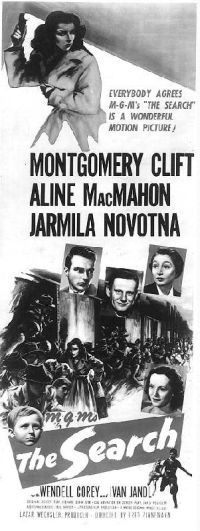
- 24 mar 1948: The search (2ª película)
- 30 mar 1933: As Husband Go (1ª obra de teatro, amateur)

ABRIL (6)
- 2 abr 1958: The young lions (10ª película)
- 12 abr 1944: The searching wind (12ª obra de teatro)
- 25 abr 1939: The mother (7ª obra de teatro)
- 26 abr 1942: Mexican Mural (9ª obra de teatro)
- 26 abr 1950: The big lift (4ª película)
- 29 abr 1940: There shall be no night (8ª obra de teatro)

MAYO (4)
- 3 may 1938: Eye on the sparrow (4ª obra de teatro)
- 11 may 1954: The seagull (15ª obra de teatro)
- 23 may 1945: Foxhole in the parlor (13ª obra de teatro)
- 26 may 1960: Wild river (13ª película)

JUNIO (1)
- 25 jun 1954: Stazione Termini (8ª película)

JULIO (1)
- 25 jul 1938: The wind and the rain (5ª obra de teatro)

AGOSTO
- 5 ag 1953: From here to eternity (7ª película)
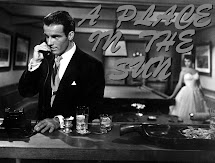
- 28 ag 1951: A place in the sun (5ª película)

SEPTIEMBRE (3)
- 25 sept 1945: You touched me! (14ª obra de teatro)
- 26 sept 1938: Dame Nature (6ª obra de teatro)
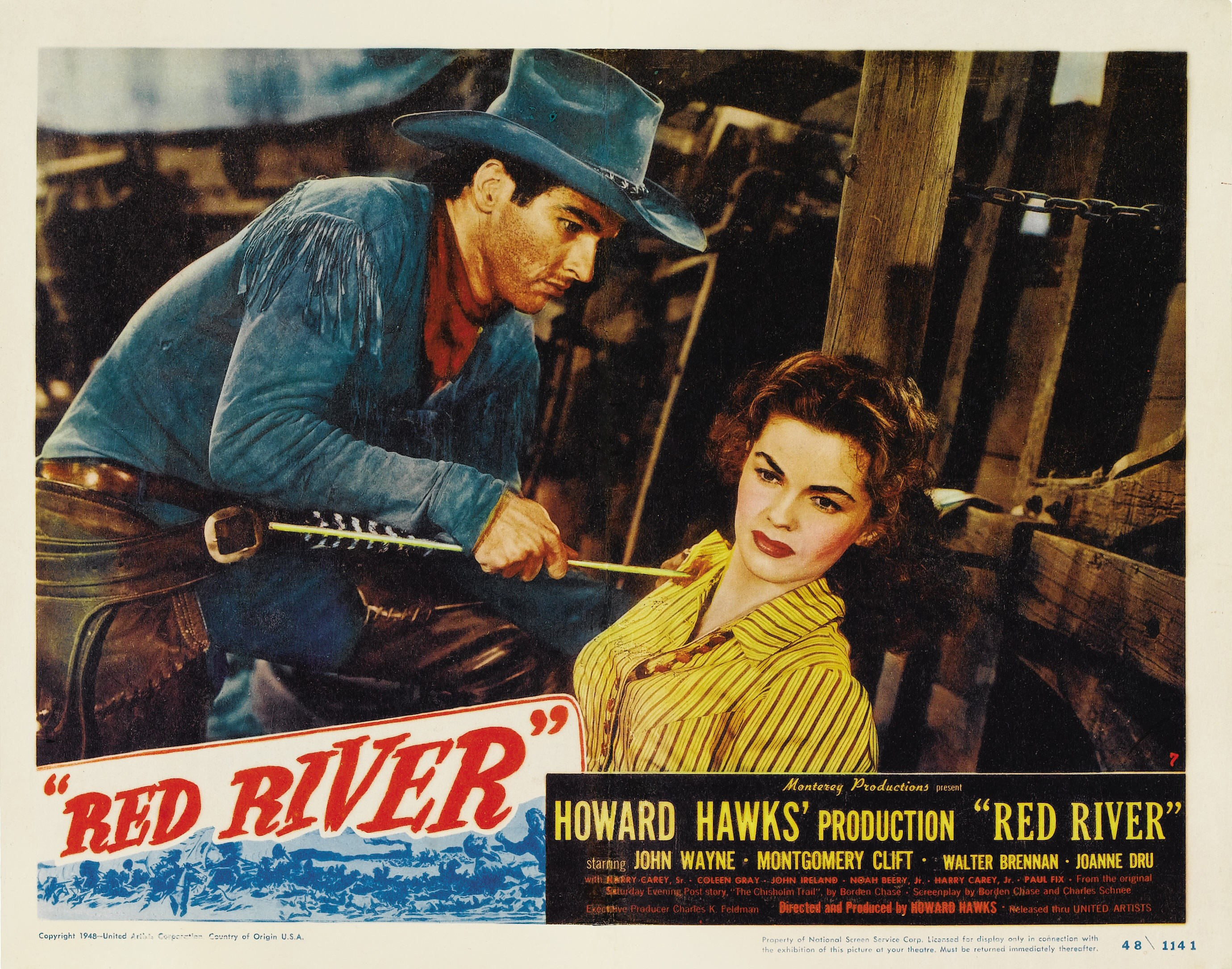
- 30 sept 1948: Red river (2ª película)

OCTUBRE (2)
- 6 oct 1949: The heiress (3ª película)
- 12 oct 1935: Jubilee (2ª)

NOVIEMBRE (2)
- 16 nov 1966: The defector (17ª película)
- 18 nov 1942: The skin of our teeth (10ª obra de teatro)

DICIEMBRE (4)
- 12 dic 1962: Freud (16ª película)
- 19 dic 1961: Judgment at Nuremberg (15ª película)
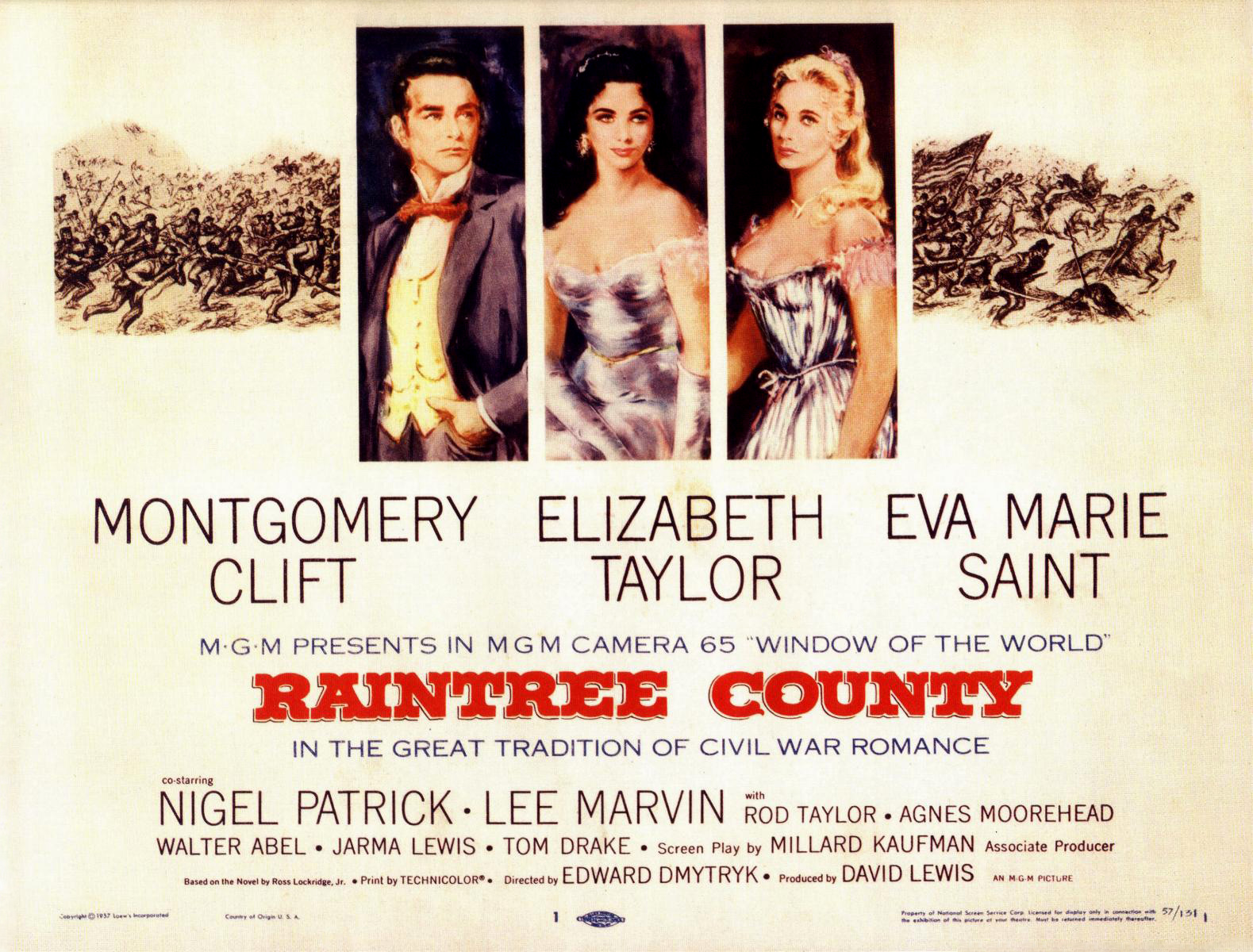
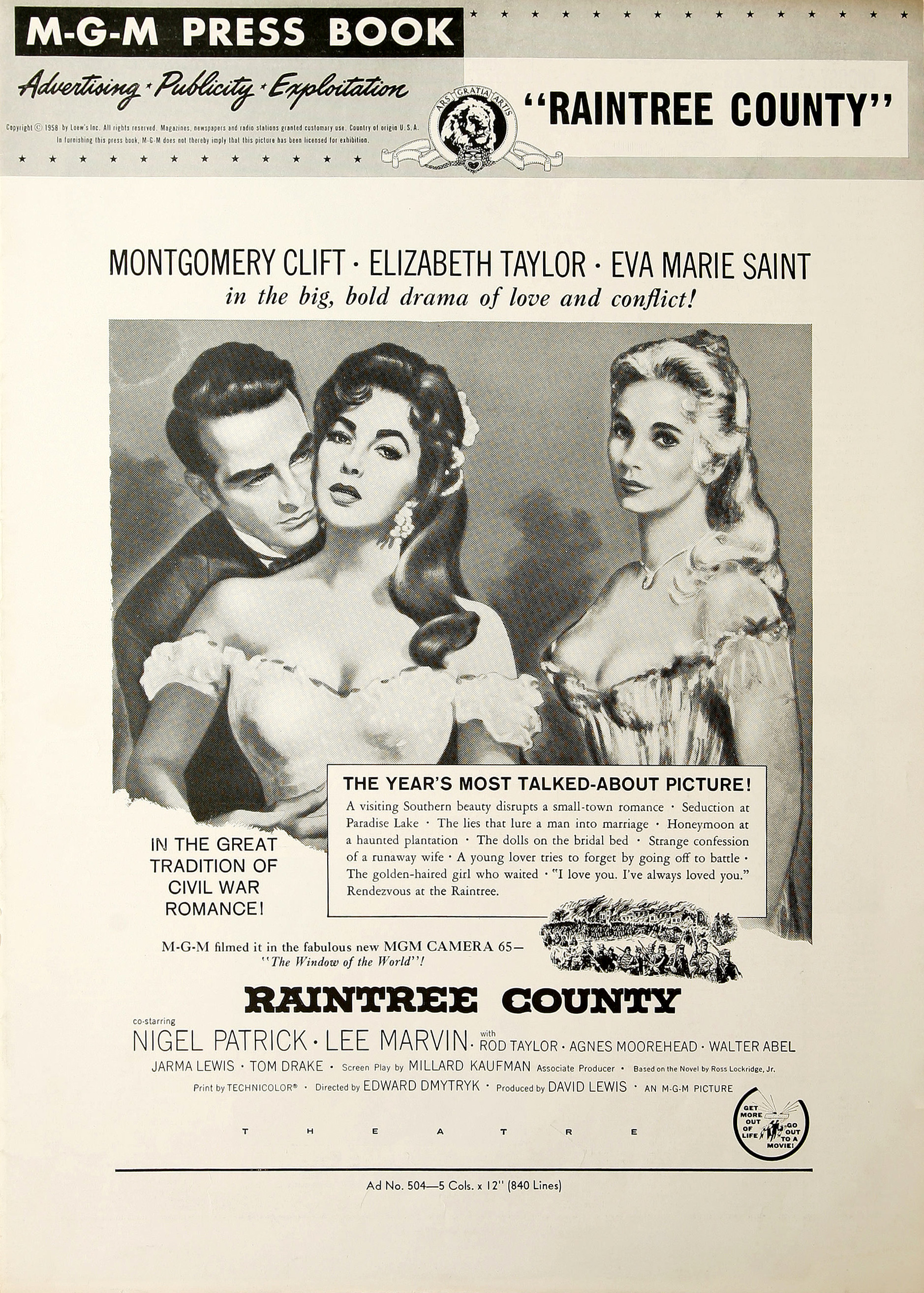
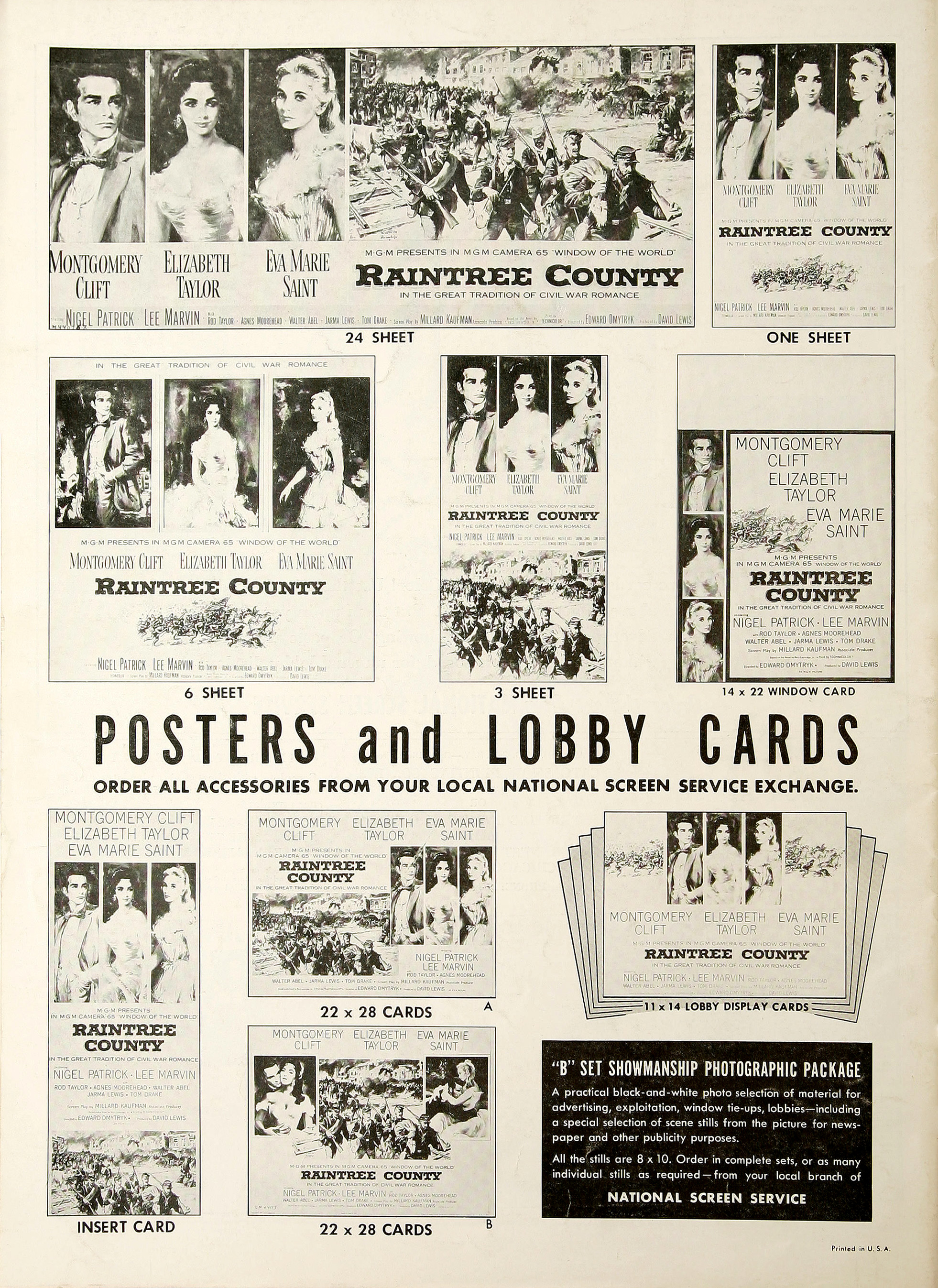
- 20 dic 1957: Raintree County (9ª película)
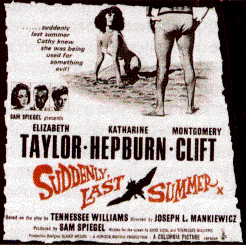
- 22 dic 1959: Suddenly last summer (12ª película)

En todos los meses del año hay un estreno de teatro o cine.

Febrero, Junio y Julio sólo tienen 1 estreno.
Abril con 6, es el mes con más estrenos

8.12.09

Montgomery Clift en Filmaffinity

En esta web de cine aparecen 16 películas de Montgomery Clift. La que falta es la última, The Defector (El desertor, 1966).

Éstos son los enlaces de cada una de las películas. Incluyo la breve sinopsis de la web, las opiniones de críticos destacados y entre paréntesis el número de críticas de los usuarios de la web:


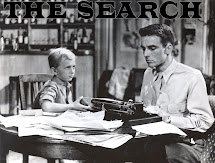
* The Search (4)

Film semi-documental sobre un soldado americano que ayuda a un niño, superviviente de Auschwitz, a buscar a su madre. Debut del gran Montgomery Clift. (FILMAFFINITY)

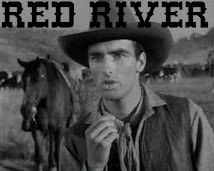
* Red River (25)

Tras la Guerra de Secesión, el ganadero Tom Dunson (John Wayne) y su hijo adoptivo Matthew Garth (Montgomery Clift), supervivientes de una matanza llevada a cabo por los indios, proyectan trasladar diez mil cabezas de ganado dessde Texas hasta Missouri. Nadie hasta entonces había intentado trasladar tanto ganado. (FILMAFFINITY)

Ver "Río Rojo" es una clase que enseña a amar el nostálgico y épico género del western. El maestro Hawks contó con un reparto maravilloso -en el que destaca el debut del insuperable Montgomery Clift- para dar vida a unos vaqueros que conducen el ganado en un largo viaje de millas y polvo, de aventuras y cambiantes relaciones humanas. De entre los clásicos del western, sin duda uno de los mejores. (Pablo Kurt: FILMAFFINITY)


"Western épico que muestra la relación, con sus dosis de problemática generacional, de un viejo ranchero y su hijo adoptivo. Maravillosas interpretaciones y una narración de lo más conseguida para un clásico del género" (Fernando Morales: Diario El País)

* The Heiress (27)

Adaptación de la famosa novela de Henry James, ambientada en la New York de mediados del siglo XVIII, donde una joven heredera poco agraciada físicamente y a punto de abandonar la juventud es pretendida por un apuesto joven que sólo busca su dinero. Aunque su amor por el joven es ciego, su despótico padre la obligará a abrir los ojos a la cruda realidad...

"Densa trama (...) la elegancia visual de Wyler crea una puesta en escena que resulta un compendio de sabiduría y sensibilidad artística, y sumerge de lleno al espectador en un atormentado melodrama" (Miguel Ángel Palomo: Diario El País)

7.11.09

The Heiress.- dvd

En la web Dvdbeaver, hay un apartado sobre el lanzamiento de The Heiress (La heredera, 1949) en Dvd bastante completo.

(English text)

http://www.dvdbeaver.com/film/direct-chair/wyler.htm


USA 1949


A soberly dramatic and polished version of Henry James's novel Washington Square, this shows some of its theatrical origins in situation and dialogue, having arrived via the Broadway adaptation by Ruth and Augustus Goetz. However, there are pleasures in the designs, score by Copland (winning an Academy Award) and performances. Oscar-winning de Havilland's portrayal of a plain-jane spinster who comes to the painful realization that her suitor's intentions are more mercenary than romantic is spine-chilling. As the dashing fortune-hunter, Clift brings a subtle ambiguity to one of his least interesting roles, and Richardson is also excellent.

Excerpt from Channel 4 located HERE


Theatrical Release: October 6th, 1949

Reviews More Reviews DVD Reviews

DVD Comparison:

Universal - Region 2,4 - PAL vs. Universal - Region 1- NTSC

(Universal - Region 2,4 - PAL LEFT vs. Universal - Region 1- NTSC RIGHT)

DVD Box Cover

Distribution Universal Home Video - Region 2,4 - PAL Universal Home Video - Region 1 - NTSC
Runtime 1:50:16 (4% PAL speedup) 1:55:16
Video 1.33:1 Aspect Ratio
Average Bitrate: 4.77 mb/s
PAL 720x576 25.00 f/s
1.33:1 Aspect Ratio
Average Bitrate: 8.77 mb/s
NTSC 720x480 29.97 f/s

NOTE: The Vertical axis represents the bits transferred per second. The Horizontal is the time in minutes.

Bitrate: PAL

Bitrate: NTSC

Audio English (Dolby Digital 2.0), DUB: German (Dolby Digital 2.0) English (Dolby Digital 2.0)
Subtitles English, German, None English, French, None
Features

Release Information:
Studio: Universal Home Video

Aspect Ratio:
Original Aspect Ratio 1.33:1

Edition Details:

• none

DVD Release Date: February 20th, 2006

Transparent Keep Case
Chapters: 10

Release Information:
Studio: Universal Home Video

Aspect Ratio:
Original Aspect Ratio 1.33:1

Edition Details:

• Robert Osborne intro

• Trailer

DVD Release Date: February 6th, 2007

Keep Case
Chapters: 17

ADDITION: NTSC - January 07': The new dual-layered NTSC edition has a superior image (especially in contrast), with far less artifacts - but it is slightly cropped on the top and side edges. It boils down to a personal choice I suppose - whether you wish to give up image quality or information in the frame. For the most part, Wyler's framing was not especially tight and I didn't notice the image being compromised by the cropping (composition seemed fine). I also prefer the NTSC subs and although I could live without the Osborne introduction - it is better than nothing. The NTSC trailer is in rough shape.

This is a great film - one deserved of an audience in the digital age. We recommend purchasing regardless of your choice of editions. They are both very reasonable considering the film's value.

NOTE: (Thanks Dee) The music is by Aaron Copland, for which he won an Oscar. It's really extraordinary music, though there isn't very much of it overall, because he didn't like "illustrating" scenes with music. There's only about 15 minutes of real music, in total. But Wyler had a bit of a tin ear, and famously didn't not care for the magnificent score to The Best Years of Our Lives. He had asked Copland to work in the theme of "Plaisir d'amour" to the score off The Heiress -- it's the song Montgomery Clift plays and sings in the movie. Copland did work it into the score. Copland sent the notated score to Hollywood, where it was orchestrated to his wishes, and recorded. But Wyler had some of the title sequence removed and replaced by gushing versions of "Plaisir d'amour"! Even if one was unhappy with the music, this doesn't seem to be the way to treat our great composers. Copland expressed a huge amount of dismay, but won the Oscar anyway. What I've done (completely illegally) is make an edit of the music over the credits. I've used the end of what's there now, but added to it some of the original score as recorded by Leonard Slatkin and the St. Louis Symphony, to give just a sense of what the original might have been. The Slatkin recording is much slower, so I've had to start the music before the actual credits begin. SEE HERE It's very rough, and if I wanted to, I could make it better, but I thought it might be fun for you to hear. The movie itself is some kind masterpiece, and I'm really surprised that it took this long for it to find its way to DVD. There is only a trailer as an extra, even though Olivia is still alive to do a commentary. (DeeF at HTF)

RE: The PAL edition: Another bare-bones single-layered DVD from Universal (Europe) set to sell in English language Region 2, Germany and Australia (Region 4- PAL). The image quality is rather uninspired with some visible dirt (that resembles grain) and a few artefacts. I don't see excessive manipulations which is a positive and the subtitles appear to be well-done. Overall it is clear and detailed enough for a fine viewing experience. Another of my favorite Wyler films that I feel deserves so much more - but I suppose the trends these days are towards more modern films - how unfortunate. The price is acceptable for this release and we encourage purchasing on the strength of the film.

Gary W. Tooze


DVD Menus

(Universal - Region 2,4 - PAL LEFT vs. Universal - Region 1- NTSC RIGHT)


a


Subtitle Sample

(Universal - Region 2,4 - PAL TOP vs. Universal - Region 1- NTSC BOTTOM)


aa


4.11.09

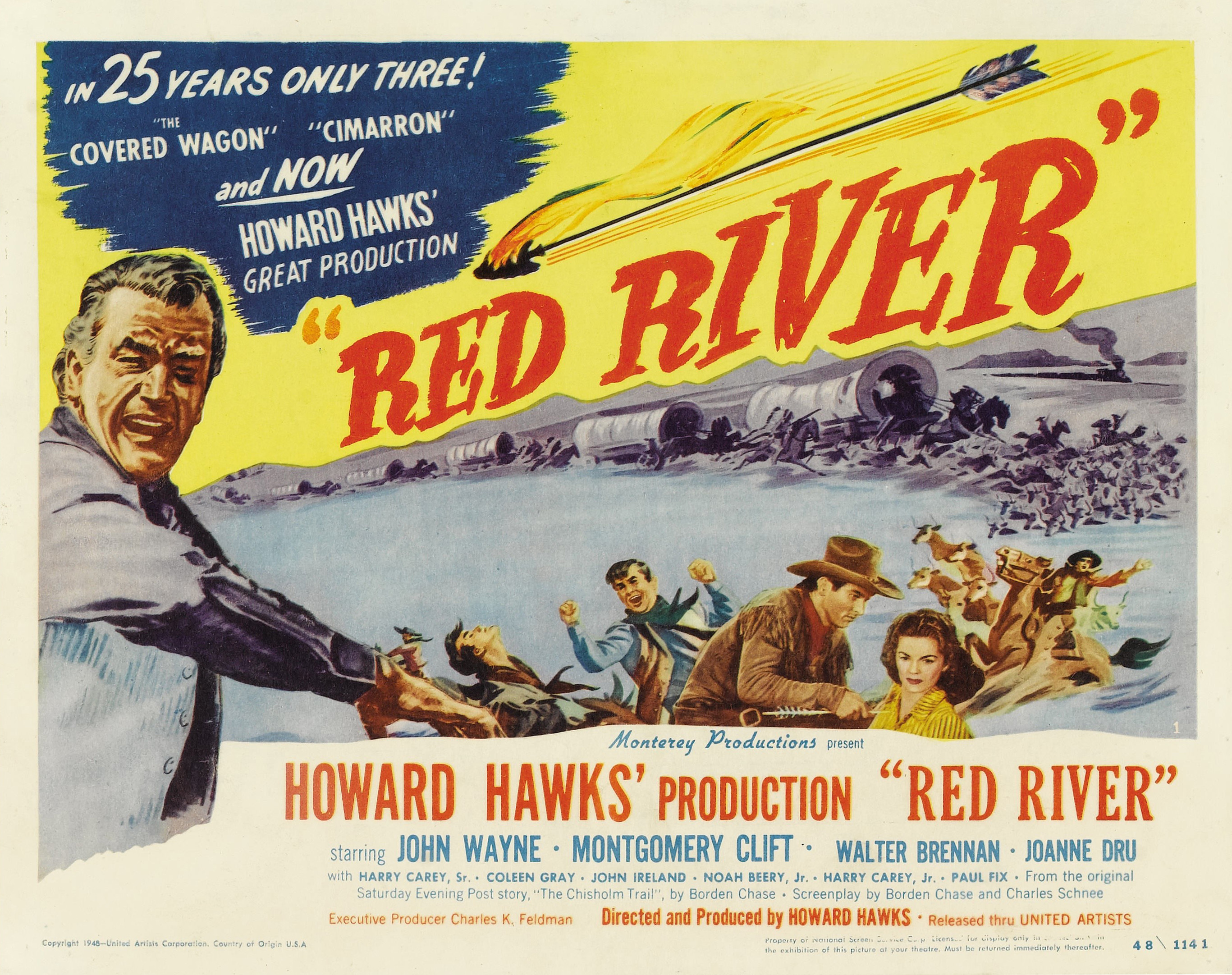
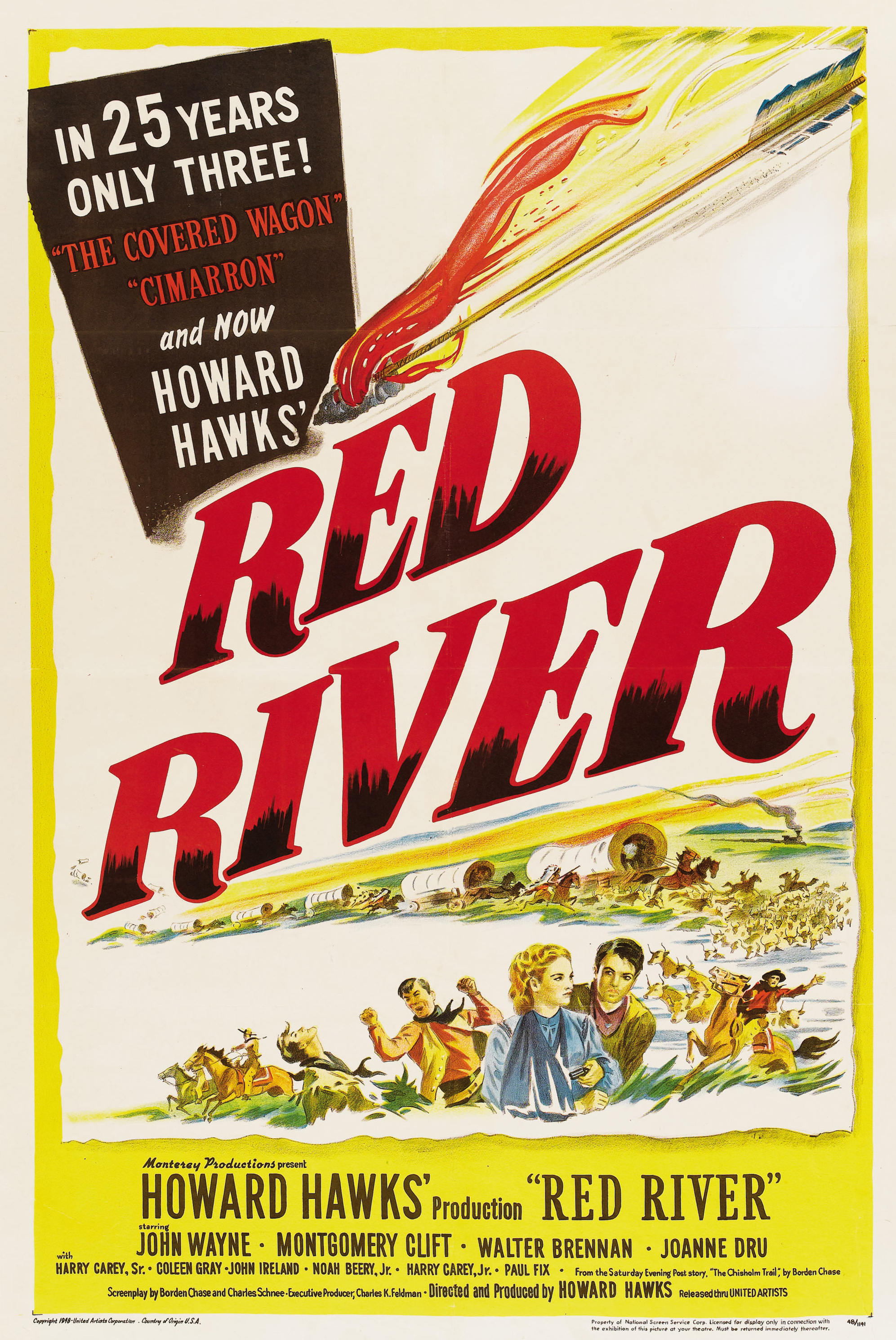
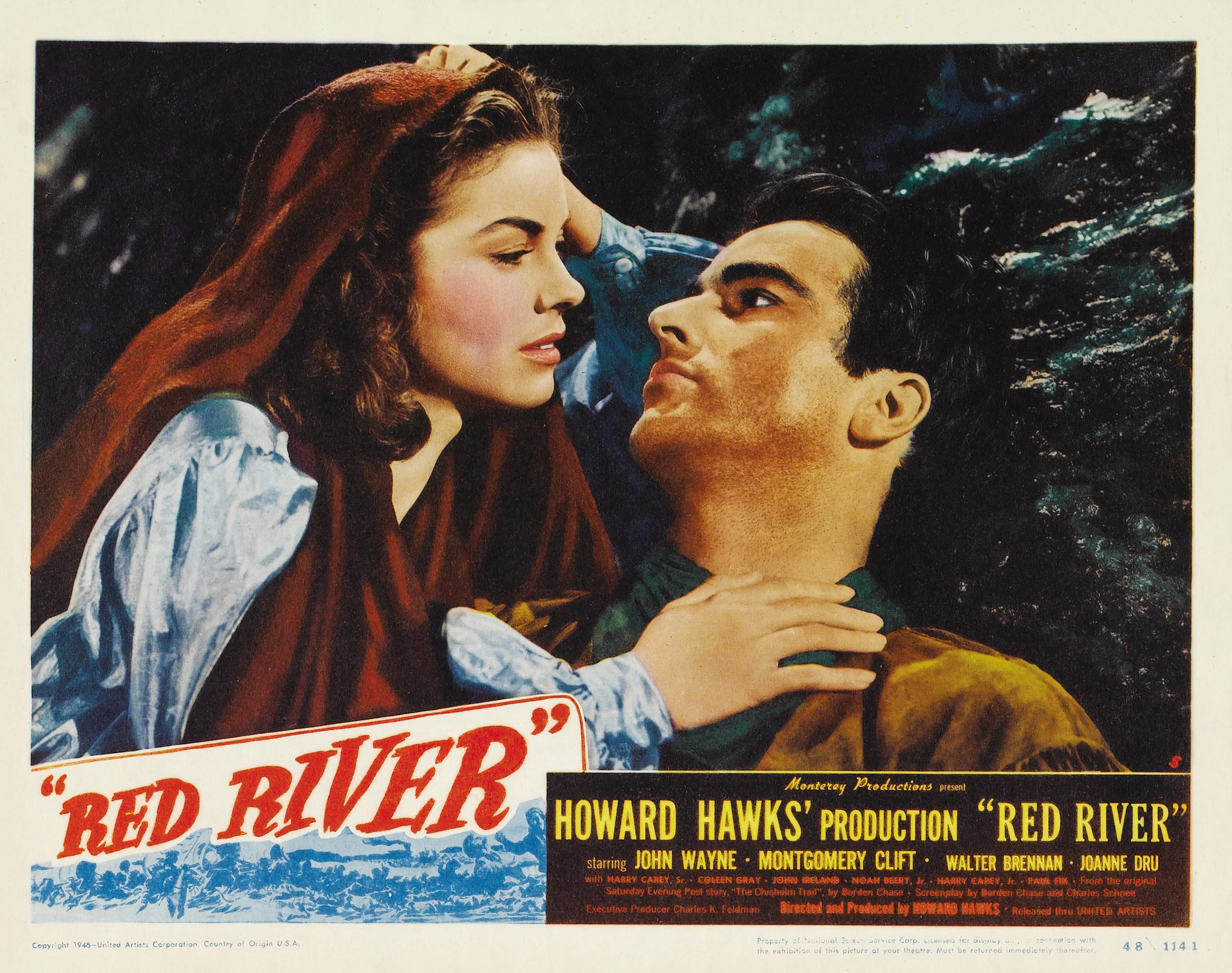
Red River.- Doctor Macro's High Quality Movie Scans

En esta web hay un apartado bastante completo sobre esta película.

(English text)


RED RIVER


United Artists, 1948. Directed by Howard Hawks. Camera: Russell Harlan. With John Wayne, Montgomery Clift, Joanne Dru, Walter Brennan, Coleen Gray, Harry Carey, Sr., John Ireland, Noah Berry, Jr., Harry Carey, Jr., Chief Yowlachie, Paul Fix, Hank Worden, Mickey Kuhn, Ray Hyke, Hal Taliaferro, Lane Chandler, Davison Clark, Harry Cording, Richard Farnsworth, Paul Fierro, George Lloyd, Pierce Lyden, John Merton, Ivan Parry, Lee Phelps, William Self, Glenn Strange, Tom Tyler, Dan White, Shelley Winters.


In 1851, Thomas Dunson and his friend, Groot Nadine, leave St. Louis and join a wagon train headed for California. When they reach the northern border of Texas, they decide to remain there and establish a cattle ranch. Fen, Tom's sweetheart, wants to stay with him, but he tells her that he will send for her later and gives her his mother's bracelet.

Soon after Tom and Groot take their wagon and bull and head south to the Red River, they look back and see that the wagon train has been attacked and burned by Comanche Indians. That night, several Indians attack Tom and Groot's camp, and Tom is horrified to discover the bracelet he gave to Fen on the wrist of an Indian he killed in the struggle. The next day as Tom and Groot break camp, a young boy, Matthew Garth, who has escaped the wagon train massacre, wanders toward them with his cow. Tom and Groot take the dazed boy with them, cross the Red River and head farther south until, near the Rio Grande, Tom finds an area he likes. The land legally belongs, by land grant, to a Mexican; but after Tom kills one of the owner's gunmen and drives off another, he claims it for himself. Tom's bull and Matt's cow then become the beginning of a great herd sporting the Red River-D brand.

Fifteen years later, the ranch boasts thousands of cattle, but Tom faces ruin unless he can move them from the impoverished, post-Civil War market. He decides to take ten thousand head a thousand miles to Missouri, where the railroads serve the North and East; Matt, now grown to manhood and like a son to Tom, helps to plan the drive. Tom also agrees to take several head belonging to a neighboring rancher, and one of the neighbor's ranch hands, Cherry Valance, joins the drive. Both Cherry and Matt are expert gunmen and enjoy a friendly, if intense, rivalry.

After a few days on the trail, the men reach the Brazos. Hills and rocks impede their progress and the cowboys become tired and unhappy. One night, when the cattle are restless, cowboy Bunk Kenneally, takes some sugar from Groot's chuck wagon and accidentally knocks over pots and pans, spooking the cattle and causing a stampede. Cowboy Dan Latimer is killed in the stampede; although Bunk admits his mistake, he refuses to allow Tom to whip him and draws his gun. However, Matt shoots Bunk before he can shoot Tom.

Forty days into the drive, the men are forced to endure heavy rains and short rations, as a grub wagon was lost in the stampede. Tom becomes very demanding and faces dissension among the cowboys. Some days later, a wounded wrangler from another drive rides into camp and explains that his group was attacked by a large gang of outlaws after they crossed the Red River. He also tells them about a trail blazed by an Indian trader, Jesse Chisholm, to a railroad terminus in Abilene, Kansas. When three of Tom's men state that they should be heading to Abilene instead of Missouri, and threaten to quit, Tom kills them. More men desert with supplies and Tom sends Cherry after them.


When the herd reaches the Red River, Tom decides to cross immediately, despite the men's exhaustion. That night, Groot suggests to Tom, who has not been sleeping and has started drinking, that he tell the men that they did well,, but he refuses. The next day, when Cherry returns with two of the deserters, Tom says he is going to hang them, but Matt intervenes. As Tom goes to draw his gun on Matt, Cherry shoots him in the hand. Matt then assumes command of the drive, and they head to Abilene, leaving Tom behind. Tom swears that one day he will catch up with Matt and kill him.

On the drive, Matt and the others encounter a wagon train being attacked by Apache Indians whom they help to drive off. Matt meets Tess Millay, one of the wagon train's settlers and, before he resumes the drive, they have fallen in love. Tom and some new men he has hired to pursue the train catch up with it; when Tess tells Tom that she had wanted to go with Matt, Tom remembers leaving Fen. Tess then tries to persuade Tom not to kill his "son," and Tom offers her half of everything he owns if she will bear him a son. Tess agrees on the condition that he abandon his mission to kill Matt, but Tom declines.

On August 14, 1865, Matt's team reaches Abilene and cecomes the first cattle drive to cross over the Chisholm Trail. They receive a great welcome from the townspeople, and Melville, a representative of an Illinois trading company, makes Matt a very good offer for the herd and gives him a check payable to Tom.

That night, Matt finds Tess waiting for him at his hotel. She warns him that Tom will be coming into town just after dawn to kill him. The next day, as Matt prepares to face Tom, Cherry challenges Tom, who shoots him but is injured by his return fire. Matt refuses to draw his gun against Tom but, when Tom attacks him with his fists, Matt fights back. Their brawl is interrupted by Tess, who fires a gun and angrily reminds them that they both love each other. After Tom tells Matt that he should marry Tess, he and Matt are finally reconciled. Tom then tells Matt that, as he had promised years before, he will create a new branding iron to include Matt's name, as he has earned it.

Notes
The story is based on the serial novel "The Chisholm Trail" by Borden Chase in The Saturday Evening Post (December 7, 1946 - January 11, 1947).

The summary was based on a viewing of a modern "Restored Director's Cut" of the film. In a letter contained in the AMPAS Library file on the film, the attorney for Monterey Productions stated that the company bought the original story from Borden Chase, and after certain changes had been made, the story was published in The Saturday Evening Post.


Exterior photography was done around Elgin, Arizona, south of Tucson, and interiors were filmed on the Samuel Goldwyn lot. Red River was the first film Montgomery Clift made, although his second, The Search, was released first. According to a interview with Howard Hawks in a modern source, Joanne Dru was a last-minute substitute for Margaret Sheridan, who had to be replaced when she was discovered to be pregnant.

A February 1, 1948 NYT news item noted that the film's original budget was $1,800,000 and that an organization of private capitalists known as Motion Picture Investors provided a bond guaranteeing the film's completion at an eventual cost of $2,700,000. In December 1948, DV reported that the film's final cost was $4,100,000 and that the domestic gross was "being figured all the way from $4,000,000 to $5,500,000," with an additional $2,000,000 in foreign revenues.

Immediately prior to the film's premiere on August 26, 1948 in theaters in Texas, Oklahoma and Kansas, millionaire producer Howard Hughes filed an injunction against the film's openings in Texas, contending that the climactic gunfight sequence between "Tom" and "Matt" paralleled that in Hughes' The Outlaw, a production on which Hawks had briefly worked in 1940. To placate Hughes, Hawks cut approximately 28 seconds from the scene. A DV news item reported that Consolidated and Pathé laboratories worked through the weekend prior to the film's premiere to produce prints of the revised sequence and that editor Mel Thorsen was sent to film exchanges in Dallas, Kansas City and New York to supervise the changes. The "Director's Cut" of Red River , which was issued in 1987, is approximately seven minutes longer than the original release print and reinstates the footage excised due to the Hughes injunction. The 1948 version includes a spoken narration by Walter Brennan's "Groot Nadine" character, whereas the later version eliminates the narration and uses handwritten text from the Early Tales of Texas "diary." Other minor differences include additional shots before the stampede and the saving of the wagon train sequences, as well as a brief conversation between "Matt" and "Melville" as the cattle enter Abilene.

Modern sources add Pierce Lyden, Lee Phelps, George Lloyd, John Merton and Richard Farnsworth to the cast. A radio adaptation of the film, starring Wayne and Dru, was broadcast on Lux Radio Theater on March 7, 1949. Red River received Oscar nominations in the Motion Picture Story and Film Editing categories. On April 10, 1988, the CBS network broadcast a remake of Chase's story, starring James Arness and Bruce Boxleitner, and directed by Richard Michaels.

Includes the song "Settle Down," words and music by Dimitri Tiomkin.

American Film Institute Catalog

Poster artwork courtesy of Dieter

7.10.09

Las valoraciones de las películas de Montgomery Clift en la IMdb

Como se sabe, en la Imdb se pueden votar las películas y aquí voy a reflejar las de Montgomery Clift, un actor que por fortuna no es de masas, sino que es valorado por las brillantes actuaciones que en ocasiones ofreció. Cada película es votada del 0 al 10, entre paréntesis va el número total de votos (a fecha de hoy, pues lógicamente varía) y pinchando en el nombre de cada película se accede a las webs complementarias donde se analiza cada voto.


* The Search
7.9 (1.257 votos)

* Red River
7.8 (10.218)

* The Heiress
8.2 (4.212 votos)

* The Big Lift
6.5 (452 votos)

* A place in the sun
7.8 (6.429 votos)

* I Confess
7.2 (5.584 votos)

* Stazione Termini


* Raintree County

6.3 (1.333 votos)


* The Misfits
7.4 (6.077 votos)


* Judgment at Nuremberg
8.3 (13.128 votos)

* Freud
7.00 (630 votos)

* The Defector
5.4 (149 votos)

Ordenadas por votación:

13.9.09

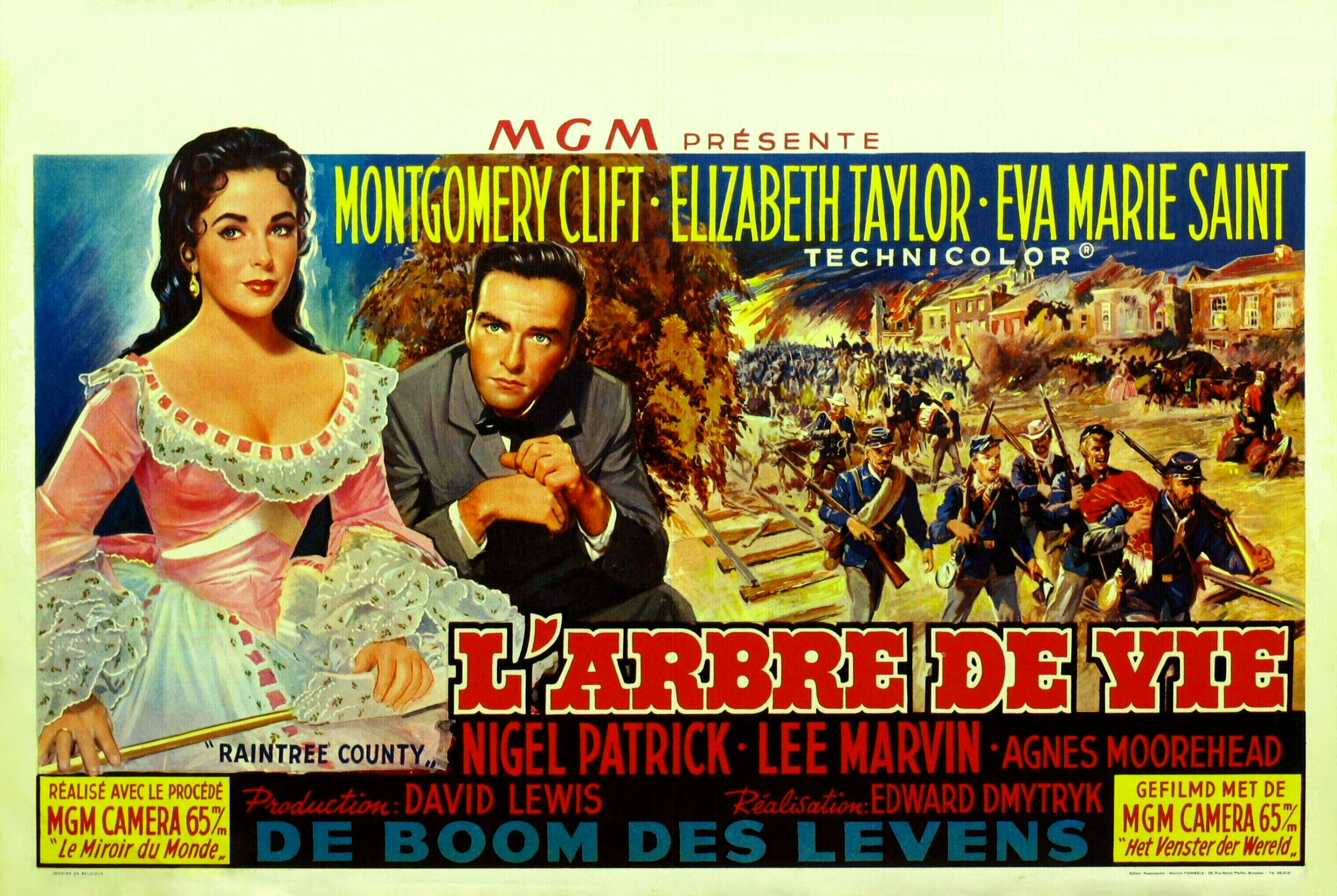
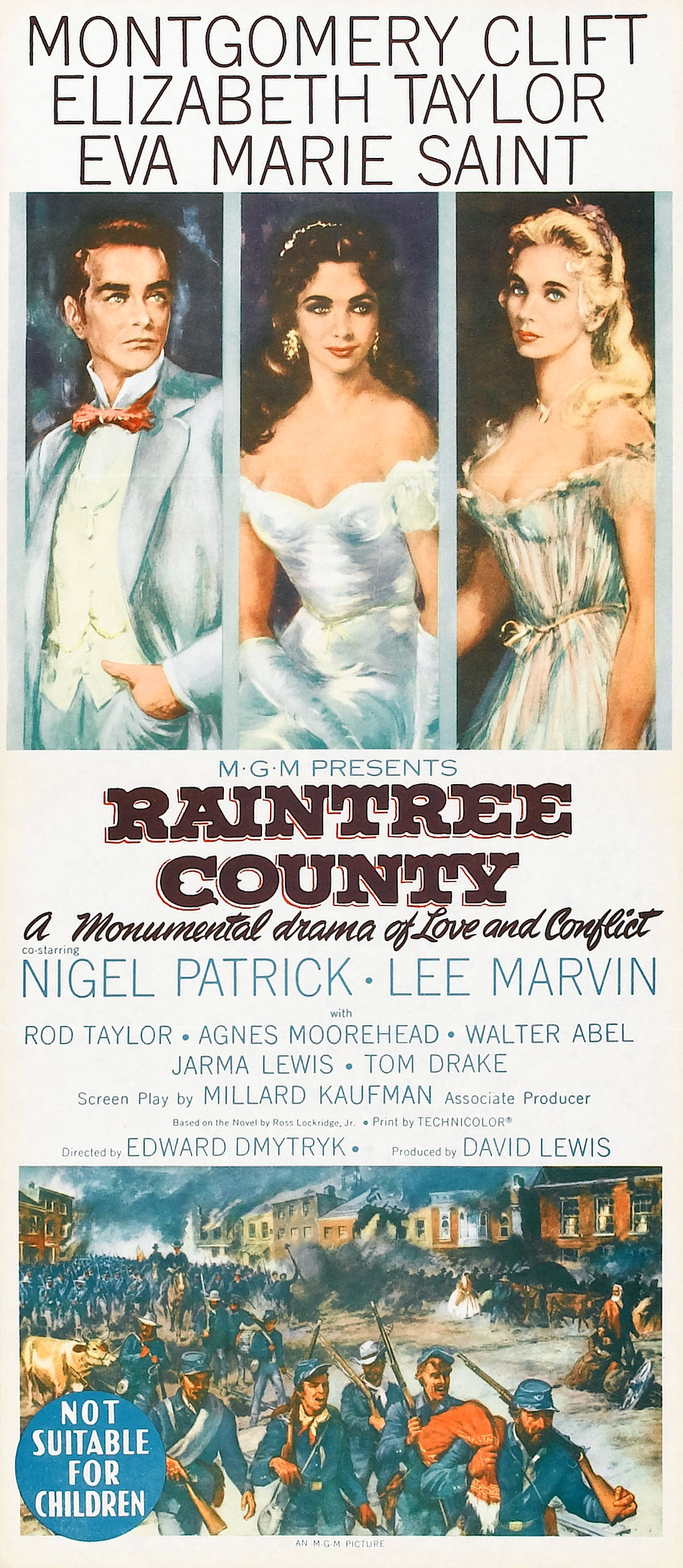
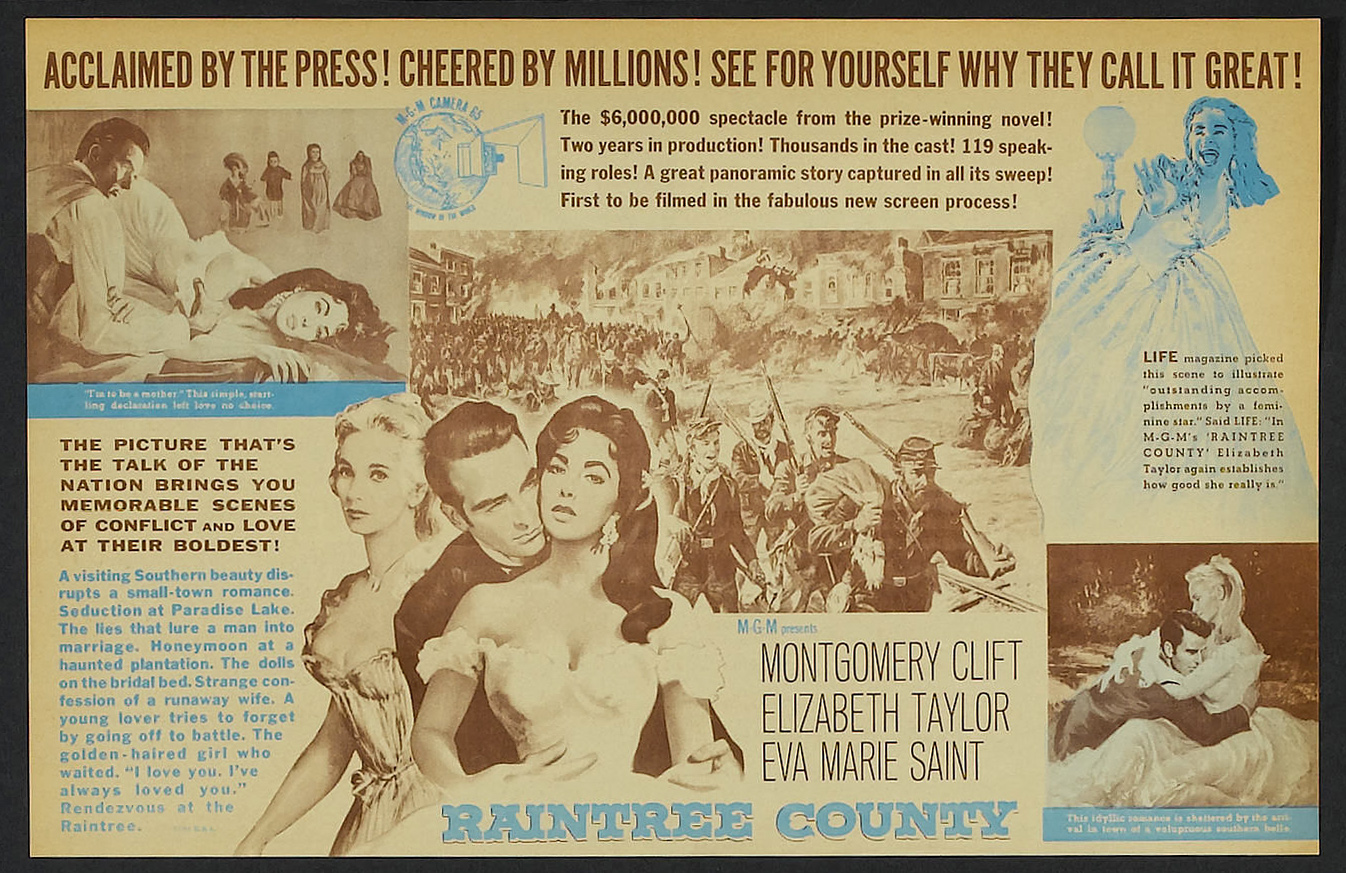
Raintree County.- Doctor Macro's High Quality Movie Scans

En esta web hay una apartado dedicado a esta película:

(English text)


RAINTREE COUNTY


MGM, 1957. Directed by Edward Dmytryk. Camera: Robert Surtees. With Montgomery Clift, Elizabeth Taylor, Eva Marie Saint, Nigel Patrick, Lee Marvin, Rod Taylor, Agnes Moorehead, Walter Abel, Jarma Lewis, Tom Drake, Rhys Williams, Russell Collins, DeForest Kelley, Myrna Hansen, Oliver Blake, John Eldredge, Isabelle Cooley, Ruth Attaway.


In the town of Freehaven in Raintree County, Indiana, the high school class of 1859 poses for a photograph. Everyone expects great things of valedictorian John Wickliff Shawnessy—in particular his sweetheart, Nell Gaither, who admires Johnny for his idealism, poetry and respect for truth and justice.

Before graduation, Prof. Jerusalem Webster Stiles, who smilingly describes himself as "pitiful and harmless," relates to his students a local legend. Raintree County is named for a golden raintree, which was planted somewhere in the region by Johnny Appleseed. Find it, declares the professor in an unusually pensive mood, and you will learn the secret of life itself. Johnny immediately sets out to locate the tree, but as he wanders through a swamp, he nearly drowns.

Back in town, Orville "Flash" Perkins boasts that, in addition to being "half horse, half alligator," he is the area's top runner. Johnny challenges him to a race, and on the Fourth of July, the two competitors meet in the street. Before the race, the men engage in a drinking contest, and although Johnny, who has never before drunk whiskey, is rendered nearly senseless, he nonetheless wins the race.

Later that day, Johnny goes to the river for a picnic with the professor, an attractive married woman named Lydia Gray, and a beautiful visitor from the South named Susanna Drake. Johnny and Susanna go swimming, and then, in a moment of passion, make love. The next day, Susanna returns to New Orleans, and Johnny returns to Nell.

When Stiles tries to run away with Lydia, her outraged husband Ezra tries to shoot him, but after Stiles swears that he never touched Lydia, Johnny helps the professor to leave town. The same train that carries Stiles to safety, however, brings Susanna back to Freehaven with a desperate message for Johnny: she is pregnant. Johnny announces their marriage, whereupon his father, T.D. Shawnessy, a gentle and educated minister, somewhat sadly wishes the young man happiness. Nell also wishes him well but tearfully confesses that she still loves him.

On the boat trip to New Orleans, Susanna is shocked to discover that Johnny is an abolitionist and nervously proclaims that nothing is worse than having a drop of Negro blood in one's veins. The couple visits the ruins of a family plantation that burned when Susanna was a child. Acting strangely, Susanna sorrowfully declares that she dearly loved her former nanny, a black Cuban named Henrietta Courtney, who perished with the girl's parents in the conflagration. Johnny questions Susanna's cousin and learns that after her parents were married, her mother went slowly insane. Her father met Henrietta and brought her home to care for little Susanna. When the bodies were taken from the fire, it appeared that the child's father and Henrietta had been shot, but no one was able to prove this.

Johnny brings Susanna back to Raintree County, where he becomes a teacher. Susanna admits that she was never really pregnant, but Johnny assures her of his love nonetheless. When Lincoln wins the presidential election, Susanna announces that to please her husband, she has freed her two slaves and now pays them wages. This prompts several of their guests to laugh, and Susanna, believing she has again displeased her husband, becomes hysterical. Johnny calms her, but later, after giving birth to a son on the very day that Civil War is declared, Susanna informs him that two babies were born, and that "they" threw the dark one away.


Several years later, Nell returns to Freehaven after living for a time in Indianapolis, and it is clear that she still loves Johnny. Susanna's nightmares and wild-eyed outbursts have become more frequent, and one evening, Johnny persuades her to tell him about the fire. Jealous of Susanna's love for Henrietta, the child's mother had flown into a rage, thereby angering the little girl. When Susanna realized that her father also loved Henrietta, she vengefully revealed this in an anonymous note to her mother. That night, she heard a crackling sound in Henrietta's room, and soon afterward, the fire consumed the house. Believing her mother had killed the lovers because of her note, Susanna had always felt responsible for the tragedy.

Johnny tries to comfort Susanna, but one day, he arrives home to find that she has taken their son Jim and fled to Georgia. With his wife gone, Johnny joins the Union Army, and as his train departs, Nell confesses that she has never stopped loving him. Johnny joins an Indiana brigade that includes not only Flash, but his old friend Stiles, who is now a war correspondent. The men participate in a number of hellish battles, and in November 1864, find themselves in Atlanta.

Wary of rebel snipers, Johnny and Flash approach an old cabin that once belonged to Henrietta. Inside are little Jim and two Drake slaves. One of them explains that although Susanna was not Henrietta's child, she always believed that she was. Consumed by madness, Susanna had been taken to an asylum some time earlier. Johnny carries little Jim toward the Union camp, but as they run through the woods, Flash is shot by rebel soldiers and dies.

After the war, Johnny finds Susanna in a wretched asylum and takes her home. He returns to teaching, but his friends believe he should run for Congress. Susanna realizes that it is she who holds him back, and that Nell still deeply loves him. That night, Susanna, telling Jim that she hopes to find the golden raintree for Johnny, says goodbye and runs toward the swamp. Alarmed, Jim follows her, and soon afterward, a search party is organized.

In the morning, Stiles, who has returned to Raintree County to marry the widowed Lydia Gray, discovers that Susanna has drowned. In agony, Johnny continues to search for his son. The weeping boy hears his father's voice, and with great relief, Johnny, Nell and Jim head out of the swamp, unaware of the tall tree gleaming golden in the sunlight.

Notes
The film is based on the novel Raintree County by Ross Lockridge, Jr. (Boston, 1948).


Onscreen credits acknowledge the cooperation of "the Baltimore and Ohio Railroad Company, the Tennessee State Game & Fish Commission at Reelfoot Lake and the people of the Commonwealth of Kentucky." The picture opens with a five-minute musical overture. Following "Johnny's" departure to fight in the Civil War, there is an intermission. Act Two begins as Johnny joins his brigade. The NYT review lists a running time of 168 minutes. Apparently, sixteen minutes of the film were cut after its premiere.

The picture was, as the Var reviewer notes, "one of the biggest and costliest (estimated at $5,000,000) productions from Metro since its release of David O. Selznick's Gone With the Wind." It took MGM six years to turn the novel into a screenplay. According to modern sources, shortly after the novel's publication, MGM purchased the film rights from author Ross Lockridge, Jr. for $150,000, but did not produce the film until 1956 because of script problems. Modern sources note that Raintree County was Lockridge's only novel, and that he committed suicide in 1948.

January and February 1956 HR news items note that MGM originally considered Alec Guinness and Arthur O'Connell for leading roles. Filming was halted after Montgomery Clift's automobile accident on May 13, 1956 and did not resume until July 23, 1956. In the accident, which occurred after Clift had been to a dinner party at Elizabeth Taylor's house, the actor's face was severely injured. Modern sources note that numerous facial lacerations and broken bones altered the structure of Clift's face so much that filming of his scenes after his return to the production was difficult. Modern sources also note that audiences frequently went to the film to make comparisons of "before" and "after" shots of Clift.

Raintree County was the first picture to be filmed using Panavision's "Camera 65" process. Most release prints, however, were issued as 35mm anamorphic prints. Actor Gardner McKay (1932 - 2001), who appeared briefly as a Union soldier, made his feature film debut in Raintree County. Most of the film was shot on location near Danville, Kentucky. Var reported that the swamp scenes were filmed at Reelfoot Lake, Tiptonville, Tennessee, and that mansions were photographed in Natchez and Port Gibson, Mississippi, while a June 11, 1956 HR article adds location shooting along the Ohio River, Ohio. The film received Academy Award nominations for Best Actress (Taylor), Best Art Direction, Best Score and Best Costume Design.

Music includes "The Song of Raintree County," music by Johnny Green, lyrics by Paul Francis Webster, sung by Nat "King" Cole.

American Film Institute Catalog

Poster artwork courtesy of Cyrus

Su carrera comprende 17 títulos entre 1948 y 1966. Trabajó con los grandes directores (Hawks, Hitchcock, Stevens, Zinnemann, Kazan, Huston, Wyler) y las grandes estrellas (Lancaster, Marilyn Monroe, Katherine Hepburn, Brando, Wayne, Elizabeth Taylor especialmente) de entonces.
The Right Profile
Lyric
Say, where did I see this guy?
In red river?
Or a place in the sun?
Maybe the misfits?
Or from here to eternity?

Everybody say, is he all right?
And everybody say, whats he like?
Everybody say, he sure looks funny.
Thats...Montgomery Clift, honey!

New York, New York, New York, 42nd street
Hustlers rustle and pimps pimp the beat
Monty Clift is recognized at dawn
He aint got no shoes and his clothes are torn

I see a car smashed at night
Cut the applause and dim the light
Monty's face is broken on a wheel
Is he alive? can he still feel?

Everybody say, is he all right?
And everybody say, whats he like?
Everybody say, he sure looks funny.
Thats...Montgomery Clift, honey!

Nembutol numbs it all
But I prefer alcohol

He said go out and get me my old movie stills
Go out and get me another roll of pills
There I go again shaking, but I aint got the chills